

Case Study
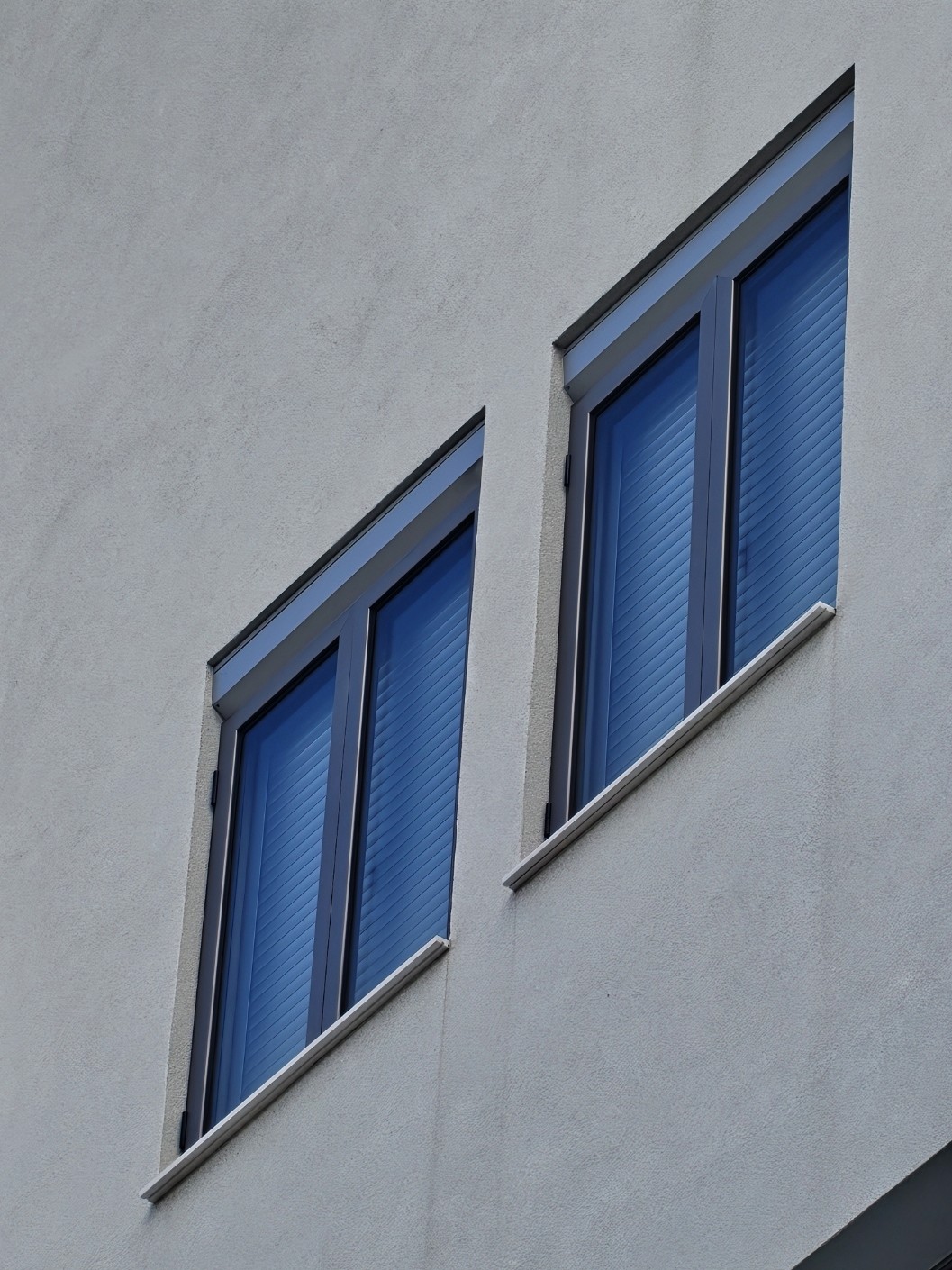
The 35dB Failure: Why Two Windows Weren't Enough
An acoustic engineering case study on the "bypass effect." We analyze why a dual-window system failed to stop 86dB peaks and how we engineered a high-performance glazing system balcony solution to restore silence to a residence in Limassol, CY.
The Paradox: Two Windows, One Massive Leak
The 401 project was a masterclass in why "more glass" isn't always the answer. The residence, facing a high-intensity traffic corridor, already featured a double-window system. On paper, two separate windows should have provided an impenetrable acoustic buffer.
However, the field measurements told a story of systemic failure:
External Peak (LAmax): 86 dB (Heavy motorcycle/truck transit)
Internal Peak (LAmax): 51 dB
Realized Reduction: Only 35 dB.
With a WHO health limit of 42 dB for restorative sleep, the interior was 9 dB over the threshold. Despite having two layers of glazing, the system was performing as if only one mediocre window existed.
The Diagnostic: The Shutter Box "Bypass"
Our audit identified that the noise wasn't just passing through the glass—it was "short-circuiting" the primary window. The culprit? The unsealed shutter box.
Because the shutter box assembly was not hermetically sealed to the building envelope, the 86 dB street noise entered the wall cavity, bypassed the first window entirely, and leaked into the air gap. This "acoustic bridge" meant the secondary window was left to handle the energy alone, rendering the expensive double-system nearly useless.
The Strategy: Two Problems, Two Solutions
We moved beyond "standard" fixes, applying specific engineering for each opening type:
1. Remediating the Existing Double-System (The "Seal") Instead of replacing the glass in the double-window units, we focused on Envelope Integrity. We performed a technical remediation of the shutter box assemblies using high-elongation acoustic sealants and internal gaskets. By "killing" the bypass, we forced the external energy to meet the physical resistance of both windows, finally achieving the cumulative reduction the system was designed for.
2. The Balcony Intervention (The "Mass") For the large balcony opening where a double-barrier solution was required, we moved to a high-performance specification to match the 86 dB environment:
Asymmetric Mass: We specified 10mm (551) and 8mm (441) Acoustic Laminated glass. By using asymmetric thicknesses, we staggered the critical frequencies (fc) of the panes, preventing the coincidence dip where performance drops.
Mechanical Compression: We replaced standard sliding "brushes" with a Lift-and-Slide system. This hardware physically drops the door onto a continuous EPDM gasket, creating a high-pressure, airtight seal that locks out airborne noise.
The Result: Reclaiming the Sanctuary
By fixing the "leaky" engineering of the past and specifying high-mass solutions for the future, we restored the property to a healthy, WHO criteria adhering environment:
Net Improvement: Reduction of indoor peaks to <35 dB.
System Performance: Total reduction increased from a failing 35 dB to an engineered +51 dB to +59 dB.
Technical Takeaway
In the world of urban noise, "Acoustic" is a marketing term, not a technical one. Unless a glazing system is accompanied by an actual Weighted Sound Reduction Index (Rw) value, the label is meaningless.
Furthermore, a window is only as good as the integrity of its seal. You can install the most expensive glass in the world, but if the shutter box or the frame gaskets are leaking air, you effectively have no acoustic protection. True silence requires a combination of verified mass and absolute airtightness.
Connect
info@nodeacoustics.com
(+357) 99 718622
" width="89px"><path d="M 45.427 0 C 42.448 0 40.214 2.209 40.214 5.155 C 40.214 8.1 42.448 10.31 45.427 10.31 C 48.405 10.31 50.64 8.1 50.64 5.155 C 50.64 2.209 48.405 0 45.427 0 Z M 21.969 6.628 C 9.681 6.628 0 16.569 0 28.351 C 0 40.134 10.053 50.075 21.969 50.075 C 33.884 50.075 43.937 40.134 43.937 28.351 C 43.937 16.569 34.256 6.628 21.969 6.628 Z M 21.969 42.343 C 14.149 42.343 7.819 36.084 7.819 28.351 C 7.819 20.619 14.149 14.36 21.969 14.36 C 29.788 14.36 36.118 20.619 36.118 28.351 C 36.118 36.084 29.788 42.343 21.969 42.343 Z" fill="rgb(153, 153, 153)" height="50.07531380753138px" id="VSj3XsHuK" transform="translate(22.698 16.216)" width="50.63951740598173px"/><path d="M 62.555 0 L 27.182 0 C 11.915 0 0 11.782 0 26.51 L 0 61.49 C 0 76.218 11.915 88 26.809 88 L 62.182 88 C 77.076 88 88.992 76.218 88.992 61.49 L 88.992 26.51 C 89.364 11.782 77.449 0 62.555 0 Z M 80.8 61.858 C 80.8 71.799 72.608 80.268 62.182 80.268 L 26.809 80.268 C 16.756 80.268 8.192 72.167 8.192 61.858 L 8.192 26.879 C 8.192 16.937 16.383 8.469 26.809 8.469 L 62.182 8.469 C 72.236 8.469 80.8 16.569 80.8 26.879 Z" fill="rgb(153, 153, 153)" height="88px" id="w6VARJ_5D" width="89px"/></g></svg>)
" width="78px"/><path d="M 19.5 24.375 L 19.5 9.75 C 19.5 4.365 15.135 0 9.75 0 C 4.365 0 0 4.365 0 9.75" fill="transparent" height="24.375px" id="bvurMyrXC" stroke-dasharray="" stroke-linecap="round" stroke-linejoin="round" stroke-width="8.73" stroke="rgb(153, 153, 153)" transform="translate(39 34.125)" width="19.500000000000142px"/></g></svg>)
Location
Limassol, Cyprus
Case Study
The 35dB Failure: Why Two Windows Weren't Enough
An acoustic engineering case study on the "bypass effect." We analyze why a dual-window system failed to stop 86dB peaks and how we engineered a high-performance glazing system balcony solution to restore silence to a residence in Limassol, CY.
The Paradox: Two Windows, One Massive Leak
The 401 project was a masterclass in why "more glass" isn't always the answer. The residence, facing a high-intensity traffic corridor, already featured a double-window system. On paper, two separate windows should have provided an impenetrable acoustic buffer.
However, the field measurements told a story of systemic failure:
External Peak (LAmax): 86 dB (Heavy motorcycle/truck transit)
Internal Peak (LAmax): 51 dB
Realized Reduction: Only 35 dB.
With a WHO health limit of 42 dB for restorative sleep, the interior was 9 dB over the threshold. Despite having two layers of glazing, the system was performing as if only one mediocre window existed.
The Diagnostic: The Shutter Box "Bypass"
Our audit identified that the noise wasn't just passing through the glass—it was "short-circuiting" the primary window. The culprit? The unsealed shutter box.
Because the shutter box assembly was not hermetically sealed to the building envelope, the 86 dB street noise entered the wall cavity, bypassed the first window entirely, and leaked into the air gap. This "acoustic bridge" meant the secondary window was left to handle the energy alone, rendering the expensive double-system nearly useless.
The Strategy: Two Problems, Two Solutions
We moved beyond "standard" fixes, applying specific engineering for each opening type:
1. Remediating the Existing Double-System (The "Seal") Instead of replacing the glass in the double-window units, we focused on Envelope Integrity. We performed a technical remediation of the shutter box assemblies using high-elongation acoustic sealants and internal gaskets. By "killing" the bypass, we forced the external energy to meet the physical resistance of both windows, finally achieving the cumulative reduction the system was designed for.
2. The Balcony Intervention (The "Mass") For the large balcony opening where a double-barrier solution was required, we moved to a high-performance specification to match the 86 dB environment:
Asymmetric Mass: We specified 10mm (551) and 8mm (441) Acoustic Laminated glass. By using asymmetric thicknesses, we staggered the critical frequencies (fc) of the panes, preventing the coincidence dip where performance drops.
Mechanical Compression: We replaced standard sliding "brushes" with a Lift-and-Slide system. This hardware physically drops the door onto a continuous EPDM gasket, creating a high-pressure, airtight seal that locks out airborne noise.
The Result: Reclaiming the Sanctuary
By fixing the "leaky" engineering of the past and specifying high-mass solutions for the future, we restored the property to a healthy, WHO criteria adhering environment:
Net Improvement: Reduction of indoor peaks to <35 dB.
System Performance: Total reduction increased from a failing 35 dB to an engineered +51 dB to +59 dB.
Technical Takeaway
In the world of urban noise, "Acoustic" is a marketing term, not a technical one. Unless a glazing system is accompanied by an actual Weighted Sound Reduction Index (Rw) value, the label is meaningless.
Furthermore, a window is only as good as the integrity of its seal. You can install the most expensive glass in the world, but if the shutter box or the frame gaskets are leaking air, you effectively have no acoustic protection. True silence requires a combination of verified mass and absolute airtightness.
Connect
info@nodeacoustics.com
(+357) 99 718622
Location
Limassol, Cyprus